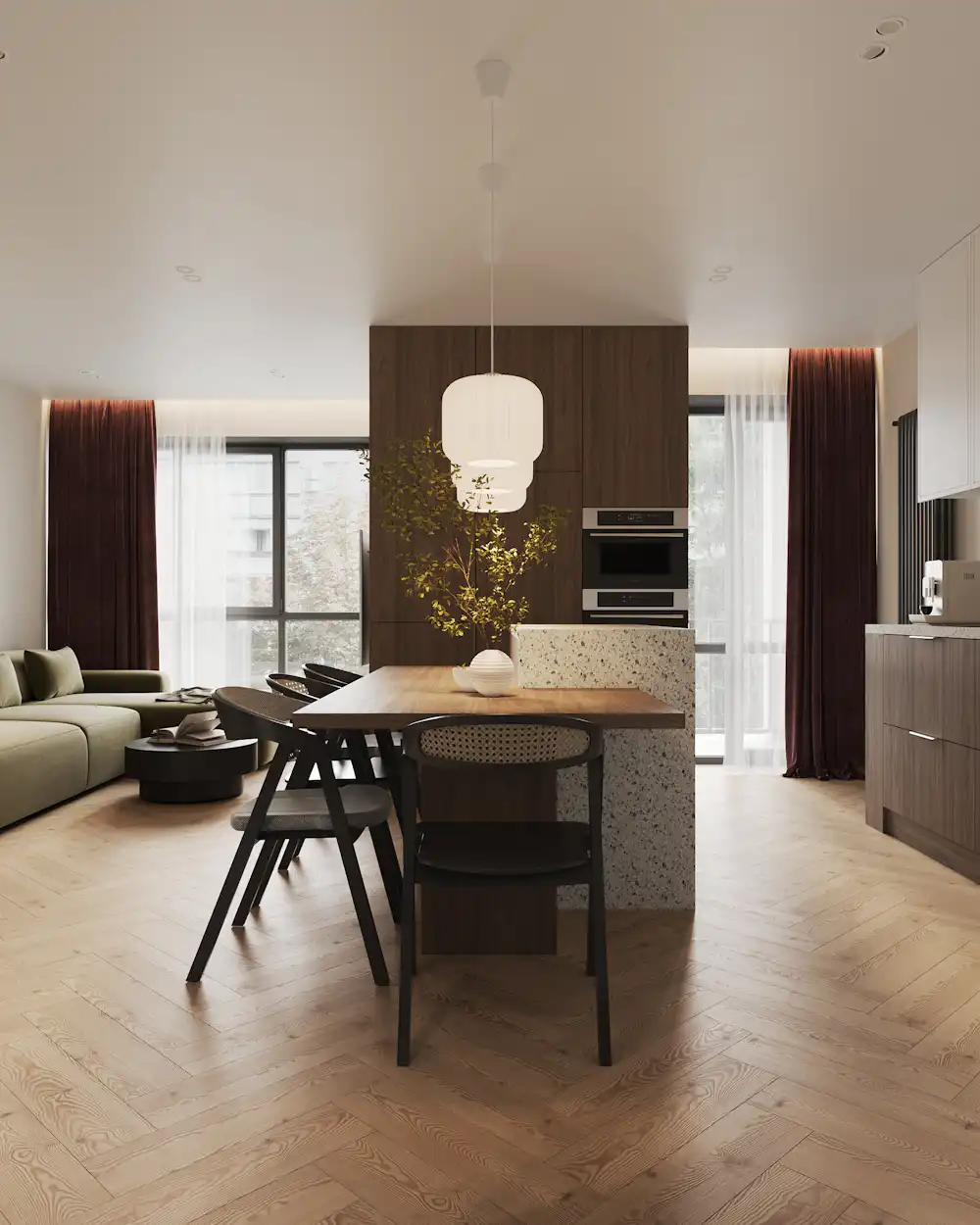
Co-living is not a new idea. Shared housing has existed for as long as cities have. What is newer is the premium end of the market — boutique co-living designed to attract residents who could afford to live alone but choose the density, community, and quality of a well-designed shared asset over a mediocre single tenancy.
That distinction matters economically. A boutique co-living asset and a standard converted rooming house are structurally different products, and they produce structurally different economic outcomes.
The design-economics connection
The economics of a co-living asset depend on occupancy. Every vacant room is income not earned. Over a year, a single room vacant for 12 weeks in an 8-room property represents more than 10% of potential income lost. Across a portfolio, vacancy is the primary margin-killer in this asset class.
Design determines the resident it attracts. A well-designed room with quality fixtures, adequate storage, good natural light, and thoughtful layout attracts a resident who treats the space with care, pays consistently, and stays. A poorly designed room with minimal finishes, inadequate storage, and a dated layout attracts whoever will take it — which is a different resident profile with a different tenancy outcome.
The rooms that stay occupied longest are the ones residents do not want to leave. That is a design outcome, not a luck outcome.
Shared spaces and community
A co-living asset lives and dies by its shared spaces. The kitchen, living area, and outdoor space are used every day by every resident. An investor who cuts costs by installing cheap appliances, low-quality benchtops, or undersized furniture is not saving money. They are creating friction in the shared environment that accelerates turnover.
The shared spaces are the product experience for every resident simultaneously. Getting them right is not optional if low vacancy is the goal. Getting them wrong is an ongoing cost that compounds with every new resident who inspects, decides the shared spaces do not meet their standard, and moves on.
What “boutique management” means
Even the best-designed asset deteriorates under poor management. Boutique management means proactive maintenance, fast response to issues, fair and consistent house rules, and genuine attention to resident experience. It is the operational layer that sustains the design standard over time.
The properties in the AC Property portfolio that have maintained near-zero vacancy over time have done so because the design and management compound each other. The design attracts the right resident. The management retains them. Together, they produce the occupancy stability that makes the income reliable.
That design-plus-management standard is what investors buy into, either as a completed asset or a project in build. How that works is on our investors page.