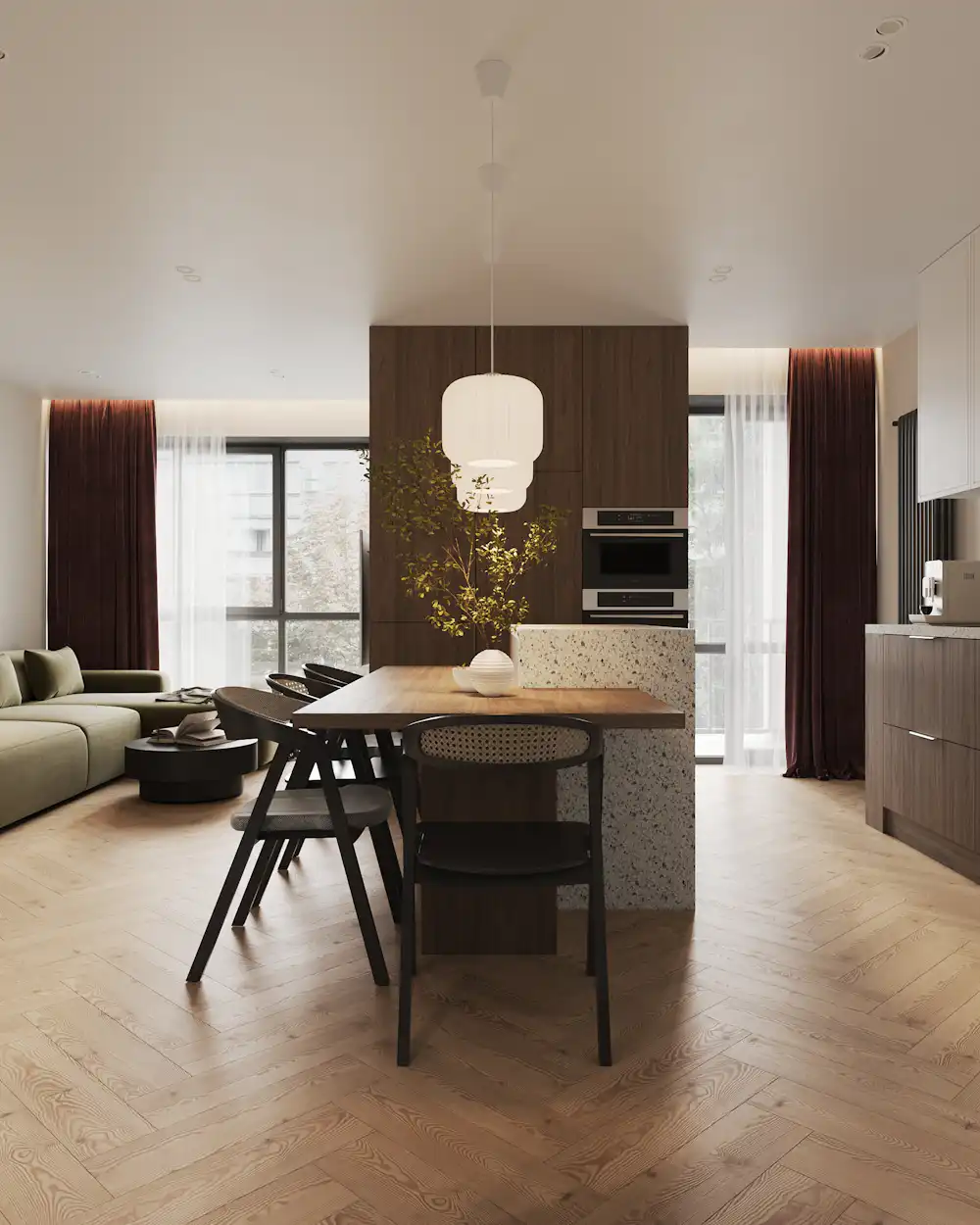
A rooming house generally provides rooms that people rent individually, with access to shared facilities. Instead of renting the whole property together, residents usually have separate arrangements with the provider or operator.
That is the starting point, not a complete legal definition. In Australia, the rules depend on the state and the property. Room numbers, facilities and the way the accommodation operates can matter. Planning, building and tenancy requirements also need to be considered separately.
How does a rooming house work?
A resident pays for the right to occupy a room and use the facilities covered by their agreement. Common areas may include a kitchen, laundry or living space. Some properties have private bathrooms; others share more facilities.
The provider manages the individual arrangements and common areas. Rent may include certain utilities or services, but residents should check what is actually included rather than assume every rooming house operates the same way.
For an owner, several room agreements mean several possible rental income streams. They also mean a different management task from a single tenancy over the entire home.
Is a rooming house the same as a share house?
Not necessarily. A share house often has a tenancy agreement covering the whole home, with several people sharing it. A rooming house usually has individual agreements for rooms with the operator.
The distinction is not just the number of bedrooms. The agreements, occupation and relevant state rules matter. A house advertised as co-living does not acquire a particular legal classification simply because of that label.
What does co-living mean?
Co-living describes a shared-living model. It can be used to describe accommodation with private rooms and shared amenities, but the term alone does not establish which regulations apply.
Similarly, AC Property uses “resi-commercial” to describe its approach to residential accommodation with multiple room incomes. It should not be read as a separate legal planning classification or a promise of a particular return. Our resi-commercial explainer discusses that terminology in more detail.
Why do rooming house definitions differ across Australia?
Different jurisdictions define and regulate the accommodation differently. For example:
- Victoria: Consumer Affairs Victoria describes rooming houses as buildings where four or more people can live in rented rooms. Residents usually have separate agreements with the operator. See the Victorian rooming-house guidance, and our breakdown of rooming house rules in Victoria.
- Queensland: The RTA describes rooming accommodation by the resident's right to occupy rooms, shared facilities and other conditions. Its definition includes that the resident does not occupy a self-contained unit. See the RTA overview.
- South Australia: The state government's overview describes residential properties with two or more rooms available to rent. See the South Australian guidance.
These examples explain why a rule found online for one state should not be applied automatically elsewhere. They are not a complete national approvals guide. Check the relevant authority and obtain advice for the actual property.
For a side-by-side comparison of the terms in Victoria, Queensland and New South Wales, read rooming house vs boarding house vs co-living.
Can an ordinary house become a rooming house?
Do not assume a conversion is allowed simply because a property has enough bedrooms. The intended use, planning controls, building requirements, fire safety, amenities and operating obligations need to be investigated.
Start with the proposed use and the particular site. Speak with the relevant council and appropriately qualified advisers before buying on the assumption that a conversion or development will be approved.
What should an owner check about the income?
Separate gross rent from the amount left after expenses and financing. Multiple room rents do not automatically produce positive cashflow.
An assessment should allow for vacancy, management, cleaning, repairs, insurance, utilities where supplied, and replacement of furniture or equipment. Development or conversion also brings upfront costs and timing risks.
Test less favourable outcomes: a lower achieved rent, a longer vacancy, higher operating costs or a delayed completion. Compare proposals on consistent assumptions rather than on the largest headline yield.
What matters to residents?
Privacy, usable space, natural light, maintenance and clear agreements matter to the daily experience of a property. Shared facilities need to suit the number of residents and the way they use them.
Good design and management can support a better resident experience. They do not eliminate vacancy or guarantee retention. Our article on co-living design and management explores the practical considerations.
The questions to take into your next conversation
Before progressing a property, establish what use is proposed, which authorities regulate it, what approvals are needed, who will manage it and what the costs include. Ask which assumptions have evidence behind them and which still need testing.
For our read on where demand is coming from, see co-living and rooming house demand.
Understanding the rooming-house model is a starting point. The decision about a particular property depends on its location, approvals, costs and operation, together with appropriate independent advice.